Group identity shapes how we see ourselves and others, creating invisible walls that influence wealth distribution and deepen social divides in unexpected ways.
🔍 The Hidden Architecture of Us Versus Them
Every day, we navigate a complex web of identities—political affiliations, religious beliefs, racial backgrounds, professional groups, and countless other categories that define who we are. These group identities are far more than simple labels; they function as powerful cognitive frameworks that fundamentally alter how we perceive fairness, allocate resources, and interact with those we consider different from ourselves.
The relationship between group identity and economic inequality represents one of the most pressing challenges facing modern societies. When people strongly identify with a particular group, they tend to favor members of their own group in economic transactions, hiring decisions, and political support. This seemingly innocent preference cascades through social systems, creating structural barriers that perpetuate inequality across generations.
Research consistently demonstrates that group identity influences economic behavior in profound ways. Studies show that individuals are more willing to trust, cooperate with, and share resources with in-group members. Conversely, they exhibit greater skepticism, competition, and resource hoarding when dealing with out-group members. This dynamic creates self-reinforcing cycles where economic advantages accumulate within groups while disadvantages concentrate in others.
💰 How Identity Economics Reshapes Wealth Distribution
The field of identity economics has revealed that our sense of belonging influences financial decisions as much as rational self-interest. When economists traditionally modeled human behavior, they assumed people acted as isolated agents maximizing personal utility. Reality proves far more complex.
Group identity affects economic outcomes through multiple mechanisms. First, it influences access to information networks. People within tightly-knit groups share job opportunities, investment tips, and business connections that remain invisible to outsiders. This information asymmetry creates economic advantages that compound over time, regardless of individual merit or effort.
Second, identity shapes credit and capital access. Lending decisions, whether conscious or unconscious, often favor in-group members. Banks, investors, and even informal lending networks demonstrate bias toward those who share their social identity markers. This pattern restricts entrepreneurship and wealth-building opportunities for out-group members, perpetuating economic stratification.
Third, consumer behavior follows identity lines. People preferentially purchase from businesses owned by in-group members, creating economic ecosystems that circulate wealth within identity boundaries. While this can strengthen marginalized communities, it also fragments economic interaction across society, reducing the efficiency gains from broader market participation.
The Multiplier Effect of Identity-Based Economic Decisions
Small individual preferences based on group identity multiply into substantial aggregate effects. Consider hiring practices: if each manager shows even a slight preference for candidates who share their background, these incremental biases accumulate throughout a career trajectory, producing dramatic disparities in outcomes.
Research tracking career progression reveals that professionals from dominant social groups advance faster and earn more than equally qualified counterparts from marginalized groups. These gaps widen with seniority, as each promotion opportunity becomes another inflection point where identity-based preferences exert influence.
The wealth gap between racial groups in many countries illustrates this dynamic starkly. Decades after legal discrimination ended, economic disparities persist largely because group identity continues to influence countless micro-level decisions that collectively shape macro-level outcomes.
🌐 Social Polarization: When Identity Hardens Into Division
As group identities strengthen, societies experience increasing polarization—a phenomenon where diverse perspectives collapse into binary oppositions and middle ground disappears. This polarization doesn’t emerge from nowhere; it results from psychological processes that turn healthy group belonging into toxic tribalism.
Psychological research identifies several mechanisms driving polarization. Social identity theory explains that people derive self-esteem partly from group membership. To maintain positive self-regard, individuals emphasize positive qualities of their in-group while highlighting negative characteristics of out-groups. This natural psychological tendency becomes problematic when it intensifies beyond healthy pride into prejudice and hostility.
Modern communication technology accelerates polarization by enabling people to self-sort into ideologically homogeneous communities. Social media algorithms amplify this effect by serving content that confirms existing beliefs while filtering out challenging perspectives. The result is echo chambers where group identities become more extreme and out-group members seem increasingly alien and threatening.
The Feedback Loop Between Economic Inequality and Polarization
Economic inequality and social polarization reinforce each other in destructive cycles. As economic disparities grow, advantaged groups develop narratives justifying their position while disadvantaged groups construct counter-narratives explaining their exclusion. These competing stories harden group boundaries and increase mutual distrust.
When people from different economic backgrounds live segregated lives—attending different schools, shopping in different stores, consuming different media—they lack opportunities for the cross-cutting interactions that could humanize out-group members. Geographic and economic segregation allows stereotypes to flourish unchallenged, deepening social divisions.
Political entrepreneurs exploit these divisions, using identity-based appeals to mobilize support. Rather than building coalitions across groups around shared economic interests, politicians increasingly frame issues as zero-sum competitions between identity groups. This strategy may win elections but corrodes social cohesion and blocks policy solutions to inequality.
🧠 The Neuroscience of Belonging and Exclusion
Understanding why group identity exerts such powerful influence requires examining how human brains process social information. Neuroscientific research reveals that our brains categorize people as in-group or out-group members within milliseconds of encountering them, often based on subtle visual cues.
These rapid categorizations trigger different neural responses. Brain imaging studies show that viewing in-group members activates regions associated with empathy and perspective-taking, while viewing out-group members can activate threat-detection systems. These automatic processes occur below conscious awareness, influencing behavior even among people who explicitly reject prejudice.
The neural basis of group identity explains why it’s so difficult to overcome through rational argument alone. Because identity processing engages emotional and intuitive brain systems more than analytical ones, appeals to facts and logic often fail to bridge identity divides. Effective interventions must address the emotional dimensions of belonging and threat that underpin identity conflicts.
📊 Measuring the Impact: Data on Division
Quantifying the relationship between group identity and economic inequality requires sophisticated analysis, but available data paints a concerning picture. Multiple metrics demonstrate how identity boundaries correlate with economic disparities and social fragmentation.
Income and wealth gaps between racial and ethnic groups persist across generations in many countries. In the United States, median white family wealth exceeds Black family wealth by roughly eight-fold, a ratio that has remained remarkably stable despite civil rights advances. Similar patterns appear globally, with dominant ethnic groups controlling disproportionate economic resources.
Social trust—the belief that most people can be trusted—has declined sharply in diverse societies experiencing rapid demographic change. Surveys show that people increasingly trust only members of their own identity groups while viewing others with suspicion. This erosion of generalized trust impedes collective action on shared challenges, including addressing inequality itself.
Cross-National Comparisons Reveal Patterns
Comparative analysis across countries reveals that the relationship between diversity and social outcomes depends critically on how societies manage group identities. Countries that cultivate inclusive national identities transcending ethnic and religious divisions experience less polarization and more equitable economic outcomes than countries where identity politics dominates.
Nordic nations, despite increasing diversity, maintain relatively high social trust and low inequality partly through institutional designs that emphasize universal welfare programs benefiting all citizens regardless of group membership. These policies create shared interests across identity lines, counteracting divisive forces.
Conversely, countries with histories of ethnic conflict and weak inclusive institutions struggle with persistent inequality and polarization. Where political systems distribute resources along identity lines, they incentivize people to emphasize group differences and compete for recognition rather than cooperate for common benefit.
🛠️ Strategies for Building Bridges Across Divides
Addressing the destructive potential of group identity while preserving its positive aspects requires thoughtful interventions at individual, institutional, and societal levels. Research points toward several promising approaches that can reduce polarization and inequality without demanding people abandon meaningful group affiliations.
Contact theory suggests that interaction between groups under specific conditions can reduce prejudice and humanize out-group members. Effective contact requires equal status between groups, common goals, cooperation rather than competition, and institutional support. Programs creating these conditions—from integrated schools to workplace diversity initiatives—show measurable reductions in bias.
Superordinate identity strategies cultivate broader identities that encompass multiple groups. Rather than eliminating subgroup identities, this approach nests them within inclusive categories. National identities can serve this function when they genuinely embrace diversity and provide equal belonging to all citizens regardless of ethnicity, religion, or other characteristics.
Institutional Reforms That Counter Identity-Based Inequality
Policy interventions can disrupt the mechanisms through which group identity generates economic inequality. Blind recruitment processes removing identity markers from job applications reduce hiring bias. Progressive taxation and robust social safety nets prevent economic advantages from compounding across generations. Anti-discrimination enforcement prevents the most egregious identity-based exclusions.
Educational curricula that honestly address historical injustices while emphasizing shared humanity help young people develop nuanced understanding of group differences. Teaching critical thinking about identity and stereotype formation equips individuals to recognize and resist automatic biases.
Media literacy programs help people recognize how communication technologies can amplify polarization. Understanding algorithmic curation enables individuals to actively seek diverse perspectives rather than passively consuming identity-confirming content.
🌟 Reimagining Identity as Unifying Rather Than Dividing
The challenge isn’t eliminating group identity—an impossible and undesirable goal—but rather cultivating forms of identity that connect rather than separate. Human beings will always organize into groups; the question is whether those groups relate through cooperation or conflict.
Multiple identities provide psychological flexibility that reduces polarization. When people recognize they simultaneously belong to many overlapping groups, they develop more complex social maps where the same person can be in-group in one context and out-group in another. This complexity undermines simplistic us-versus-them thinking.
Emphasizing common humanity represents the ultimate superordinate identity. Philosophical and religious traditions worldwide teach that fundamental similarities across all people matter more than surface differences. Psychological research confirms that priming universal human identity reduces bias and increases cooperation across group boundaries.
The stakes couldn’t be higher. Societies that successfully manage the tension between group identity and social cohesion will better address inequality and maintain democratic governance. Those that fail risk descending into tribalism where identity conflict consumes political energy that could otherwise address shared challenges like climate change, technological disruption, and global health threats.
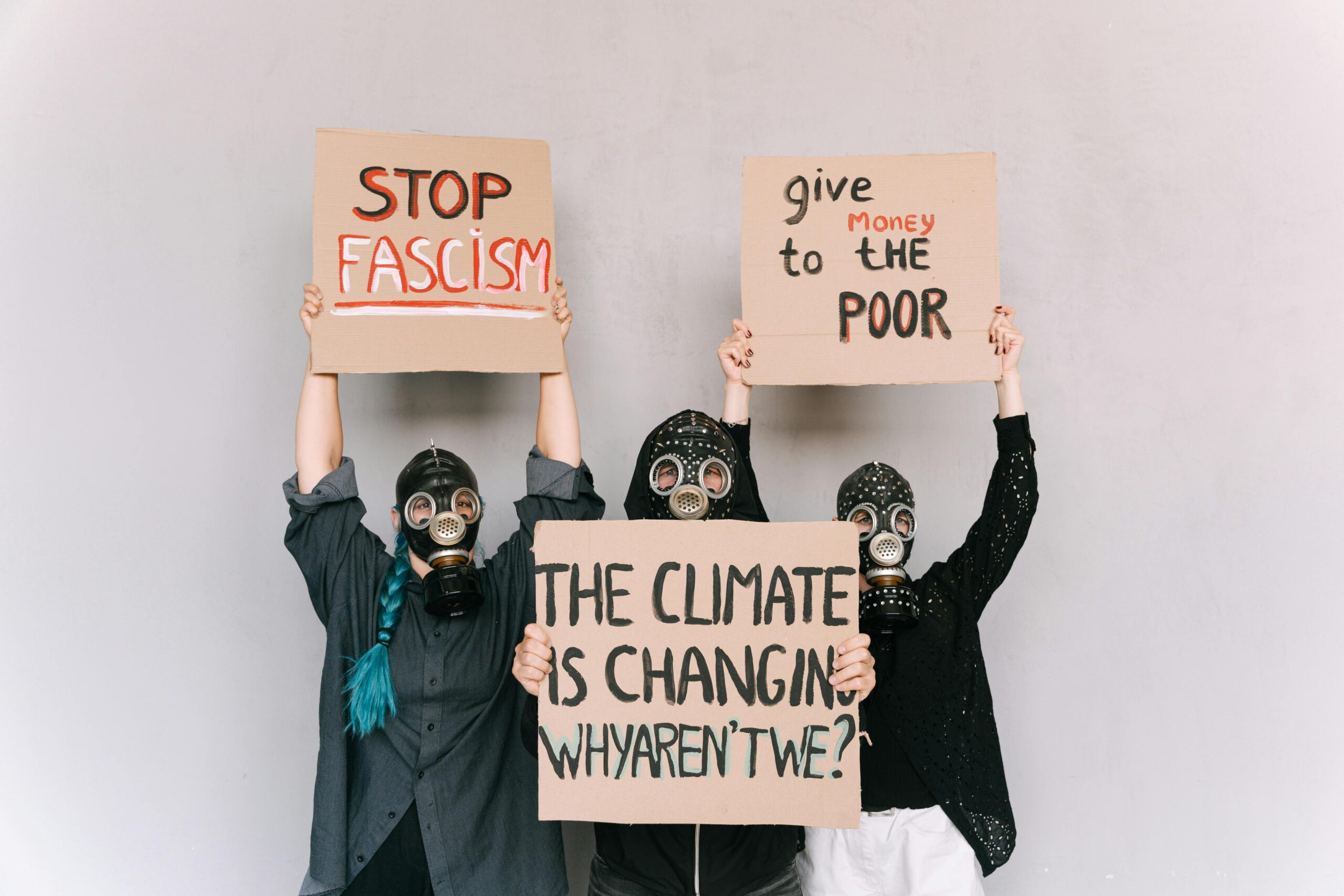
🔮 The Path Forward: Unity Through Acknowledged Difference
Moving beyond destructive polarization doesn’t require pretending differences don’t exist or demanding people abandon meaningful group affiliations. Instead, it requires building institutional and cultural frameworks where diverse groups interact as equals pursuing common goals while maintaining distinctive identities.
This vision recognizes that healthy societies resemble ecosystems where diversity strengthens rather than weakens the whole. Just as biological diversity makes ecosystems resilient, social diversity enriches collective problem-solving and cultural vitality—but only when groups relate through exchange rather than extraction.
Economic policy must acknowledge how identity shapes material outcomes and design interventions accordingly. Colorblind approaches that ignore group dynamics often fail because they don’t address the mechanisms perpetuating inequality. Effective policies combine universal programs benefiting everyone with targeted interventions addressing specific barriers facing marginalized groups.
Ultimately, the relationship between group identity and social outcomes isn’t predetermined. Human beings created the institutions and norms that currently channel identity toward division and inequality. We possess equal capacity to create alternatives that channel identity toward cooperation and shared prosperity. The question is whether we’ll exercise that capacity before divisions become unbridgeable.
The powerful impact of group identity on economic inequality and social polarization represents both challenge and opportunity. By understanding the psychological, economic, and social mechanisms through which identity operates, we can design interventions that preserve the benefits of belonging while minimizing the costs of exclusion. The future depends on whether we choose to unite across differences or allow those differences to divide us irreparably.