Family life is a complex web of cooperation, conflict, and connection—all shaped by invisible evolutionary forces that guide how we share resources and support one another.
The Evolutionary Blueprint Behind Family Cooperation 🧬
At the heart of family dynamics lies a powerful biological principle called kin selection. This concept, first formalized by evolutionary biologist William Hamilton in 1964, explains why we’re more likely to help relatives than strangers. The theory suggests that natural selection favors behaviors that increase the survival of genetic relatives, even at personal cost.
Hamilton’s rule provides a mathematical framework: a gene for altruistic behavior will spread through a population when rb > c, where r represents genetic relatedness, b represents the benefit to the recipient, and c represents the cost to the donor. This simple equation has profound implications for understanding household cooperation.
In practical terms, you share approximately 50% of your genes with your parents, siblings, and children, 25% with grandparents, aunts, uncles, and half-siblings, and 12.5% with first cousins. These percentages influence—often unconsciously—how readily we share resources, time, and energy with different family members.
Resource Sharing Patterns Within Nuclear Families
The nuclear family represents the strongest expression of kin selection in modern society. Parents invest enormous resources in their children—not just financial support, but time, emotional energy, and sometimes decades of direct care. This investment makes evolutionary sense because children carry 50% of each parent’s genetic material.
Research consistently shows that parents adjust resource allocation based on children’s needs and circumstances. Younger children typically receive more direct care, while older offspring may receive educational investments or career support. Parents also tend to invest more in children perceived as having greater potential for reproductive success, though few parents would consciously acknowledge this calculus.
Sibling relationships present a more complex picture. While siblings share significant genetic overlap, they also compete for parental resources. This creates a tension between cooperation and competition that characterizes many sibling relationships throughout life. Studies reveal that siblings are more likely to help each other during crises than in everyday situations, suggesting that kin selection operates most powerfully when stakes are highest.
The Dynamics of Parental Investment ✨
Mothers and fathers often show different patterns of resource allocation, influenced by both evolutionary factors and cultural norms. Maternal investment tends to be more consistent and less contingent on a child’s characteristics, while paternal investment may be more variable and responsive to indicators of success or need.
Across cultures, parental investment decreases as children age and become capable of independence. However, in modern societies, this investment period has extended dramatically compared to historical patterns. Young adults now often receive financial support well into their twenties or thirties, particularly for education and housing expenses.
Extended Family Networks and Resource Flows
Beyond the nuclear family, extended kin networks create complex webs of reciprocal support. Grandparents frequently provide childcare, financial assistance, and emotional support to adult children and grandchildren. This investment aligns with kin selection theory, as grandparents share 25% of their genes with grandchildren.
Interestingly, maternal grandmothers often invest more heavily in grandchildren than paternal grandmothers, a pattern explained by paternity certainty. A maternal grandmother knows with certainty that her daughter’s children carry her genes, while a paternal grandmother faces some statistical uncertainty about her son’s biological paternity.
Aunts, uncles, and cousins form a secondary tier of kin cooperation. While support among these relatives is less intensive than within nuclear families, it remains significantly stronger than relationships with non-relatives. Cultural factors strongly influence these patterns, with some societies maintaining robust extended family obligations and others prioritizing nuclear family independence.
The Grandmother Hypothesis and Menopause
Human females are unusual among mammals in experiencing menopause—a cessation of reproduction decades before death. The grandmother hypothesis suggests that menopause evolved because older women could better increase their genetic legacy by helping their daughters and grandchildren rather than continuing to reproduce themselves.
Evidence supports this theory: grandmothers who provide childcare enable their daughters to have more children and improve grandchild survival rates. Historical demographic data shows that societies with active grandmothers had lower child mortality rates, even controlling for other factors.
Household Economics Through an Evolutionary Lens 💰
Modern households operate as miniature economies, with resources flowing between members according to both rational economic principles and evolutionary imperatives. Food, money, living space, vehicles, and time are all subject to allocation decisions influenced by kinship patterns.
Within households, younger members typically receive net resource transfers from older members, especially parents. This unidirectional flow continues for much longer in modern societies than in historical contexts, where children became economically productive at younger ages.
Interestingly, resource sharing within households is often more generous than market transactions would predict. Parents rarely charge children rent reflecting true market value, and family members frequently loan money interest-free. This generosity reflects kin selection in action—we’re willing to bear costs to benefit genetic relatives.
The Economics of Shared Living Spaces
Housing represents one of the largest resource allocations in family life. Parents typically provide children with housing for free or at reduced cost well into adulthood. In many cultures, multi-generational households remain common, with resource sharing flowing in multiple directions.
Adult children who return to parental homes—the “boomerang generation”—illustrate how kin selection overrides strict economic rationality. Few parents charge adult children full market rent, and many provide housing entirely free. This arrangement makes evolutionary sense even when it strains household budgets, because supporting offspring increases their potential for eventual reproductive success.
Conflict and Cooperation: The Inevitable Tension
While kin selection promotes cooperation, it doesn’t eliminate conflict. Family members share genes, but they’re not genetically identical. This creates situations where individuals’ genetic interests diverge, leading to predictable patterns of family conflict.
Parent-offspring conflict represents one of the most studied areas. Biologist Robert Trivers identified that optimal levels of parental investment differ from the perspectives of parents and offspring. A child benefits from receiving as much parental investment as possible, while parents must balance investment across all offspring to maximize overall genetic legacy.
This conflict manifests in everyday family life: teenagers requesting larger allowances than parents want to provide, adult children asking for financial help that parents find burdensome, or siblings competing for attention and resources. These aren’t just personality clashes—they reflect genuine differences in evolutionary interests.
Sibling Rivalry and Birth Order Effects 👶
Sibling rivalry has deep evolutionary roots. Each child benefits from monopolizing parental resources, while parents benefit from distributing resources equitably. Birth order creates asymmetries in this dynamic, with firstborns enjoying an initial period of exclusive parental attention.
Research shows consistent birth order effects on personality and behavior. Firstborns tend to be more conformist and achievement-oriented, while later-born children often adopt more rebellious strategies to gain attention. These patterns reflect adaptive responses to different family resource environments.
Despite competition, siblings also cooperate extensively. Older siblings frequently help care for younger ones, a behavior that makes evolutionary sense because it aids individuals who share 50% of their genes. In many cultures, older siblings assume substantial caregiving responsibilities, effectively increasing their parents’ reproductive capacity.
Cultural Variations in Family Resource Systems 🌍
While kin selection provides a universal framework, cultural norms create enormous variation in how families share resources. Individualistic cultures like the United States emphasize nuclear family independence and expect adult children to become self-sufficient. Collectivist cultures maintain stronger obligations across extended kin networks.
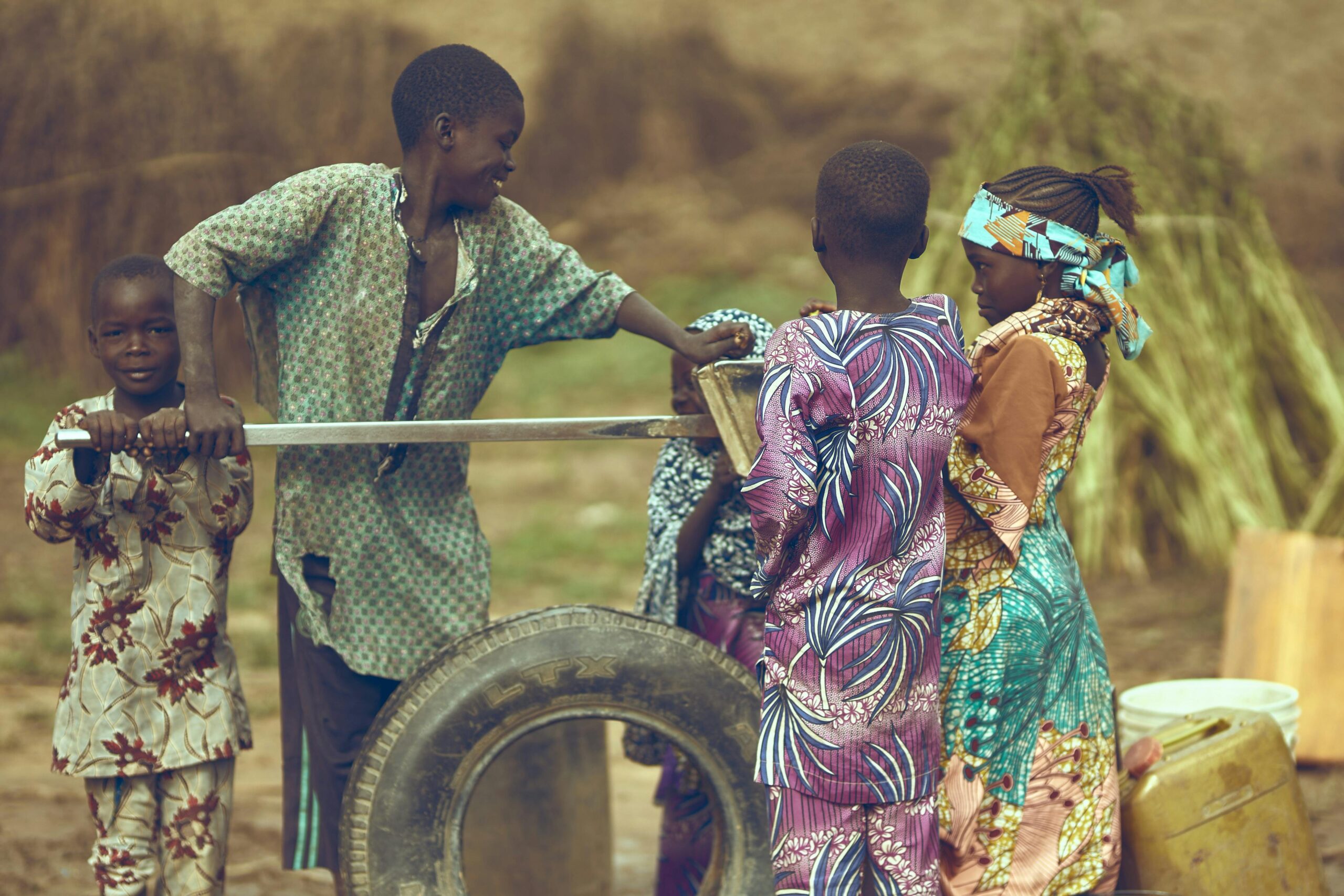
In many Asian, African, and Latin American societies, adult children are expected to provide substantial support to aging parents. This expectation reflects both cultural values and practical necessity in societies with limited social safety nets. From an evolutionary perspective, these systems create reciprocal resource flows across generations.
Inheritance patterns vary dramatically across cultures, with some societies dividing estates equally among children and others practicing primogeniture or ultimogeniture. These systems reflect different strategies for maximizing family genetic legacy across varying ecological and economic circumstances.
The Impact of Modernization on Family Cooperation
Modern economic systems have transformed family resource dynamics. In pre-industrial societies, families functioned as economic production units, with all members contributing labor. Industrial and post-industrial economies separated work from home, weakening some traditional family cooperation patterns.
However, modern families still show strong evidence of kin-based resource sharing. Wealthy parents help children with home purchases, education costs, and business ventures. Adult children provide eldercare and emotional support. These exchanges may look different from historical patterns, but they reflect the same underlying evolutionary logic.
Decision-Making and Fairness Within Families
How do families decide who gets what? Research reveals that fairness considerations heavily influence family resource allocation, but “fairness” means different things in different contexts. Equality—giving everyone the same—competes with equity—giving according to need or merit.
Parents typically employ different fairness rules depending on circumstances. For young children, parents often emphasize equality to minimize conflict. As children age, equity considerations become more prominent, with parents allocating resources based on need, effort, or achievement.
Interestingly, children develop sophisticated understandings of family fairness from an early age. Even preschoolers recognize that babies need more care and accept unequal resource distributions when they’re justified by legitimate needs. This suggests that humans evolved cognitive adaptations for navigating complex family resource environments.
The Role of Communication in Household Harmony
Effective resource sharing requires communication and coordination. Families that discuss financial decisions, household responsibilities, and future plans typically experience less conflict and more efficient resource allocation.
Research on successful multi-generational households reveals that explicit agreements about resource contributions and consumption reduce tension. When expectations are clear—who pays which bills, who handles which household tasks, how shared spaces are used—family members cooperate more smoothly.
Altruism Beyond Genetics: When Kin Selection Meets Culture 💝
While genetic relatedness strongly predicts cooperation, it doesn’t tell the whole story. Humans show remarkable flexibility in extending familial cooperation to non-relatives through adoption, step-parenting, and chosen family networks.
Adoption represents a puzzle for strict kin selection theory, as adoptive parents invest heavily in genetically unrelated children. However, most adopted children are raised from infancy, when they trigger powerful parenting instincts. Evolutionarily, these instincts couldn’t have developed mechanisms for detecting genetic relatedness, so they respond to proximate cues like prolonged infant care.
Step-families present more complex dynamics. Research consistently shows that step-parents invest less in step-children than in biological children, and step-children face higher rates of abuse and neglect. These tragic patterns reflect the absence of genetic ties that would normally promote parental investment. However, many step-families function well, demonstrating that cultural values and individual choices can override evolutionary defaults.
Practical Applications: Strengthening Family Cooperation
Understanding the evolutionary basis of family dynamics offers practical insights for improving household cooperation. Recognizing that some conflicts reflect genuine differences in evolutionary interests—rather than personality flaws—can reduce blame and promote constructive problem-solving.
Families can deliberately create systems that align individual interests with collective welfare. Regular family meetings to discuss resource allocation, transparent decision-making processes, and explicit acknowledgment of different needs all promote cooperation. When family members understand why resources are distributed unequally—a child’s medical needs, an elderly parent’s care requirements—they’re more likely to accept and support these decisions.
Creating opportunities for positive-sum cooperation also strengthens family bonds. Shared projects, family businesses, or collective investment opportunities allow family members to benefit simultaneously rather than competing for fixed resources.
Navigating Modern Family Challenges
Contemporary families face unique challenges: geographic dispersion, blended family structures, economic pressures, and changing gender roles all complicate traditional cooperation patterns. However, the fundamental principles of kin selection remain relevant.
Technology enables resource sharing across distances, with adult children providing financial support to parents in other cities and grandparents video-calling to maintain relationships with distant grandchildren. These adaptations demonstrate how evolutionary imperatives find expression through modern tools.
The Future of Family Cooperation in Changing Times 🚀
As societies continue evolving, family structures and cooperation patterns will adapt. Declining fertility rates in developed nations mean fewer siblings and more resources per child. Increased lifespans create longer periods of multi-generational overlap, with potential for both increased cooperation and prolonged dependency.
Economic inequality increasingly stratifies family resource systems. Wealthy families can provide substantial intergenerational transfers, while poor families struggle to meet basic needs. These disparities compound across generations, as children who receive more family resources achieve higher education and income, enabling them to invest more in their own children.
Climate change and economic uncertainty may strengthen family cooperation networks as individuals seek security through kin ties. Alternatively, increased mobility and individualism might continue weakening extended family bonds. Either way, the evolutionary imperatives underlying family cooperation will continue shaping human behavior.
Understanding kin selection and resource sharing illuminates the invisible forces shaping family life. While culture and individual choice matter enormously, recognizing the evolutionary logic behind family cooperation helps us appreciate why families function as they do—and how we might strengthen these vital relationships in our own lives. The bonds that tie families together aren’t just social constructs; they’re written into our genes, refined over millions of years of human evolution, and expressed daily in countless acts of generosity, sacrifice, and love.