In a world where image often speaks louder than words, the pursuit of status has become an intricate dance of symbols, signals, and strategic consumption. ✨
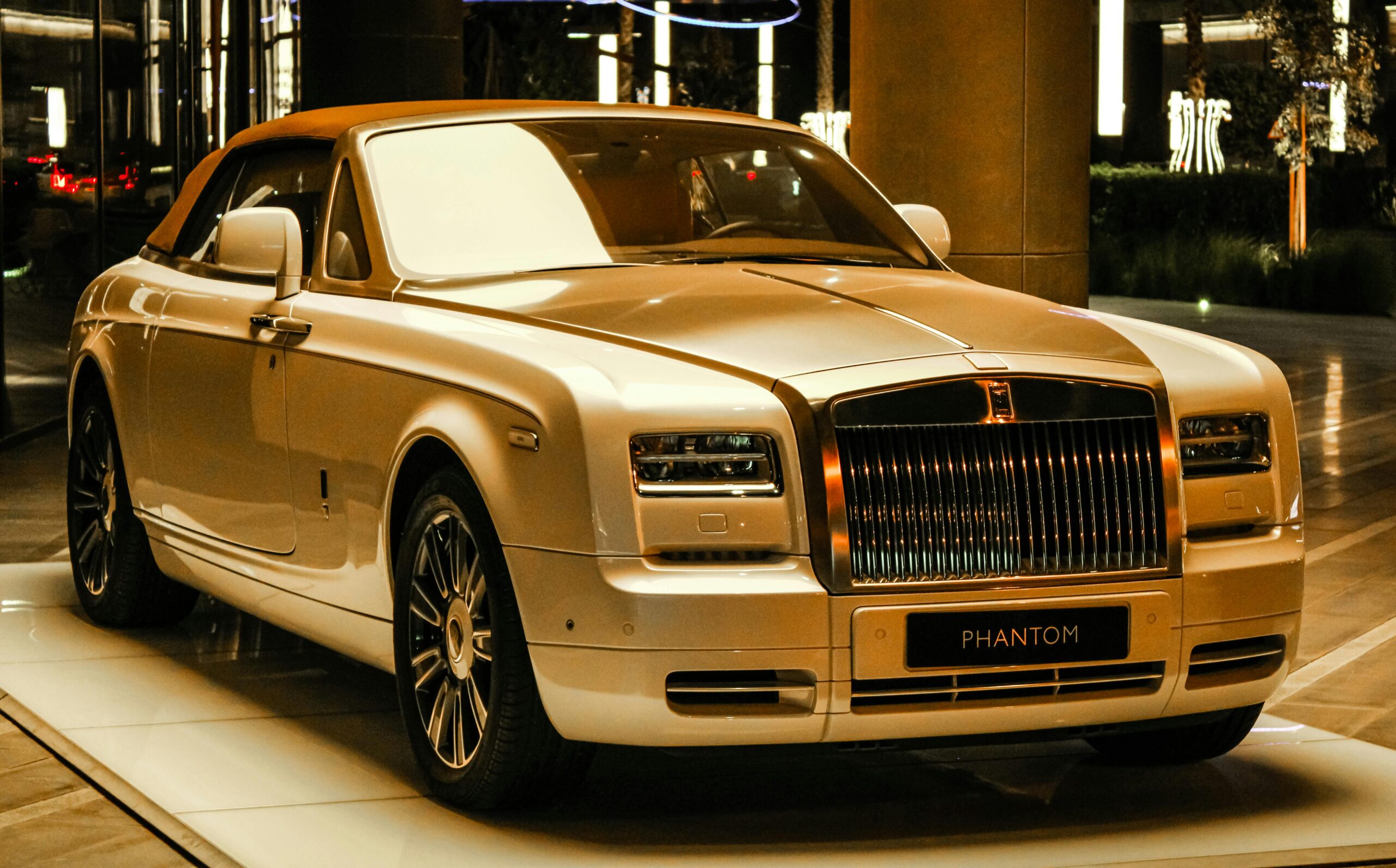
We live in an era where what we own, wear, and display has transcended mere functionality to become a language of social positioning. From the luxury watch adorning a wrist to the exclusive neighborhood address on a business card, these markers of prestige communicate volumes about our place in the social hierarchy. The phenomenon of status competition and conspicuous consumption isn’t merely about materialism—it’s a complex psychological and sociological mechanism that has shaped human behavior for centuries.
Understanding the forces that drive our desire for status symbols can illuminate not only our purchasing decisions but also the deeper human need for recognition, belonging, and differentiation. This exploration takes us through the fascinating intersection of psychology, economics, and social dynamics that defines modern consumer culture.
The Evolutionary Roots of Status Seeking 🧬
Status competition didn’t emerge with the advent of designer handbags or luxury automobiles. Its roots stretch back to our ancestral past, where social standing often determined access to resources, mating opportunities, and survival itself. Our prehistoric ancestors who successfully navigated social hierarchies gained advantages that increased their chances of passing on their genes to future generations.
This evolutionary programming remains embedded in our psychology today. When we acquire status symbols, we’re responding to ancient impulses that once served critical survival functions. The dopamine rush accompanying a prestigious purchase isn’t accidental—it’s the same neurochemical reward system that once reinforced behaviors that improved our ancestors’ social standing.
Modern status competition has simply adapted these primal instincts to contemporary contexts. Instead of displaying hunting prowess or physical strength, today’s status seekers showcase financial success, cultural sophistication, or exclusive access to limited resources. The game has changed, but the underlying motivations remain remarkably consistent across millennia.
Decoding Conspicuous Consumption: More Than Meets the Eye
Economist Thorstein Veblen coined the term “conspicuous consumption” in 1899, describing the practice of purchasing goods primarily to display wealth rather than to satisfy genuine needs. This concept remains strikingly relevant in our Instagram-filtered, influencer-driven society, where visibility and perception often matter more than utility.
Conspicuous consumption serves multiple psychological functions. It acts as a social signal, broadcasting information about our economic resources, taste level, and group affiliations. When someone purchases a limited-edition luxury item, they’re not just buying an object—they’re acquiring a story, an identity marker, and a conversational currency that facilitates social interactions.
The phenomenon extends beyond traditional luxury goods. Today’s conspicuous consumption includes experiential purchases like exclusive travel destinations, elite educational credentials, and even curated social media presences. Each represents an investment in perceived status that transcends the immediate experience or object itself.
The Social Signaling Theory 📡
Social signaling theory provides a framework for understanding why conspicuous consumption persists despite its apparent inefficiency. When we purchase expensive items, we’re sending credible signals about our resources and capabilities. The key word here is “credible”—the signal must be costly enough that it cannot be easily faked by those without genuine resources.
This explains why true luxury brands maintain high price points and limited availability. A widely accessible “luxury” item loses its signaling value because it no longer effectively differentiates the wealthy from the aspirational. The exclusivity itself becomes part of the product’s value proposition, creating a self-reinforcing cycle where scarcity drives desirability.
Interestingly, different social groups develop distinct signaling systems. What conveys status in one community might be meaningless or even detrimental in another. Tech entrepreneurs might signal success through minimalist aesthetics and disruptive innovations, while traditional business elites might prefer classic luxury markers. Understanding your reference group’s signaling language is crucial for effective status competition.
The Psychological Mechanics of Status Competition 🎭
At its core, status competition taps into fundamental human needs for esteem, recognition, and self-actualization. Abraham Maslow’s hierarchy of needs places these desires near the pyramid’s apex, suggesting they become priorities once basic survival and safety needs are met. In affluent societies where most people have secured their physiological necessities, attention naturally shifts to higher-order concerns like status and prestige.
The comparison mechanism drives much of status-seeking behavior. Social comparison theory, developed by psychologist Leon Festinger, explains how we evaluate ourselves relative to others. This comparative framework means that status is inherently relational—it exists only in relation to others’ positions in the social hierarchy. You cannot feel high-status in isolation; the feeling requires a reference point.
This relational nature creates an interesting paradox: as everyone in a social group accumulates more status symbols, the baseline shifts upward, and individuals must acquire even more impressive markers to maintain their relative position. This dynamic fuels the constant escalation in luxury consumption and status competition, creating what economists call a “positional arms race.”
The Dark Side: When Status Seeking Becomes Destructive 💸
While status competition can drive innovation and achievement, it also has potential downsides. The relentless pursuit of prestige can lead to financial overextension, with individuals spending beyond their means to maintain appearances. Credit card debt, excessive mortgages, and unsustainable lifestyles often result from prioritizing status signaling over financial prudence.
Psychologically, constant status comparison can erode well-being. Research consistently shows that people who base their self-worth on external validation and social standing report lower life satisfaction and higher anxiety levels. The hedonic treadmill ensures that each status achievement provides only temporary satisfaction before the goalpost shifts further away.
Social media has amplified these challenges by creating unprecedented opportunities for comparison and display. Platforms like Instagram function as 24/7 status competition arenas, where carefully curated highlight reels create impossible standards and fuel feelings of inadequacy. The pressure to project an aspirational lifestyle can become exhausting and psychologically damaging.
Strategic Status Elevation: Playing the Game Intelligently 🎯
Understanding status competition doesn’t require rejecting it entirely—instead, it enables more strategic participation. The first step involves clarity about your motivations. Are you seeking status for intrinsic satisfaction, professional advantages, or social acceptance? Different goals suggest different strategies.
Authentic status elevation focuses on building genuine capabilities, achievements, and relationships rather than merely acquiring superficial symbols. This approach creates sustainable prestige based on real value rather than fleeting possessions. Developing expertise, cultivating meaningful connections, and contributing to your community generate status that persists beyond the novelty of any purchased item.
When engaging in conspicuous consumption, strategic selectivity matters more than volume. A few carefully chosen status markers that align with your identity and reference group prove more effective than numerous generic luxury items. Quality, authenticity, and personal relevance should guide these decisions rather than simple price tags or brand recognition.
Alternative Status Pathways 🌟
Contemporary culture increasingly recognizes alternative forms of status beyond material wealth. Intellectual capital, creative achievements, social impact, and even lifestyle choices like minimalism or sustainability can confer prestige within certain communities. These alternative status systems offer opportunities for differentiation without requiring enormous financial resources.
Some forward-thinking individuals pursue what might be called “meta-status”—prestige derived from transcending conventional status games. By visibly opting out of materialistic competition while maintaining other markers of success, they signal both resources and values-based decision-making. This sophisticated positioning can be remarkably effective in communities that value authenticity and social consciousness.
The rise of the experience economy has also shifted status competition from possessions to experiences. Unique travel adventures, exclusive events, and transformative personal growth experiences now serve as powerful status markers, often more impressive than material goods. These experiential investments offer the dual benefits of genuine enrichment and social signaling value.
The Future of Status Competition in a Changing World 🔮
As societies evolve, so do the rules of status competition. Generational shifts are redefining what constitutes prestige, with younger cohorts often valuing sustainability, authenticity, and social responsibility alongside or even above traditional luxury markers. This transformation creates both challenges and opportunities for status seekers navigating changing norms.
Technology continues to reshape the status landscape. Digital credentials, virtual goods, cryptocurrency holdings, and social media influence represent emerging forms of status capital. The metaverse and digital identity platforms promise to create entirely new arenas for status competition, complete with their own signaling systems and prestige hierarchies.
Economic inequality and sustainability concerns are prompting critical conversations about conspicuous consumption’s social and environmental costs. Growing awareness of these issues is creating counter-pressures against excessive status display, with “inconspicuous consumption” gaining traction among certain elite groups. This trend toward subtle sophistication over obvious ostentation suggests a maturing of status competition dynamics.
Mastering the Balance: Status Without Sacrifice 💎
The optimal approach to status competition involves acknowledging its reality while maintaining perspective and authenticity. Complete indifference to social standing is neither realistic nor necessarily desirable—humans are fundamentally social creatures for whom group dynamics matter. However, allowing status pursuit to dominate decision-making or define self-worth creates vulnerability to manipulation and dissatisfaction.
Building genuine value through skill development, relationship cultivation, and meaningful achievement provides a stable foundation for sustainable status. These substantive accomplishments generate both internal satisfaction and external recognition, creating a virtuous cycle that transcends the boom-and-bust dynamics of pure conspicuous consumption.
Financial intelligence plays a crucial role in healthy status competition. Understanding the difference between investing in genuine value appreciation versus purchasing depreciating status symbols enables more strategic resource allocation. Smart consumers recognize when status markers serve legitimate professional or social functions versus when they represent wasteful signaling.
Cultivating Status Immunity 🛡️
Developing what might be called “status immunity”—the ability to recognize and resist manipulative status appeals—represents an advanced social skill. This doesn’t mean complete rejection of status considerations but rather conscious, values-aligned decision-making that isn’t reflexively responsive to every prestige signal in the environment.
Mindfulness practices and self-awareness cultivation help create psychological distance from status competition’s more compulsive aspects. By observing your own status-seeking impulses without immediately acting on them, you create space for more intentional choices aligned with your authentic values and long-term objectives.
Surrounding yourself with communities that reinforce healthy status values also matters tremendously. Reference groups that celebrate achievement, growth, and contribution rather than mere consumption create environments where status competition takes more constructive forms. Choosing your social circles thoughtfully is itself a strategic status decision.
Harnessing Status Motivation for Personal Growth 🚀
Rather than viewing status competition as purely negative, consider it a powerful motivational force that can be channeled toward productive ends. The desire for recognition and respect can fuel remarkable achievements when directed toward skill development, creative expression, or social contribution rather than pure consumption.
Many of humanity’s greatest accomplishments have been partially motivated by status concerns—artists seeking recognition, scientists pursuing prestige, entrepreneurs building impressive enterprises. The key lies in aligning status motivation with activities that create genuine value rather than merely consuming it.
This reframing transforms status competition from a zero-sum game into a positive-sum dynamic where multiple participants can simultaneously elevate their standing through mutual achievement and recognition. Collaborative status elevation, where communities collectively raise their prestige through shared accomplishments, represents perhaps the healthiest expression of these fundamental human drives.
Understanding the power of status competition and the allure of conspicuous consumption equips you to navigate modern social dynamics with greater awareness and agency. Neither wholesale rejection nor uncritical participation serves your interests—instead, strategic engagement guided by self-awareness and authentic values creates the optimal path. By recognizing these forces at work in yourself and others, you gain the freedom to choose when, how, and why you participate in the eternal human game of social positioning. The power lies not in denying status motivations but in mastering them, directing these energies toward outcomes that genuinely enhance your life rather than merely projecting an image for others to admire. 🎪